

Two-thirds of septic tanks inspected in Donegal fail health and environmental check
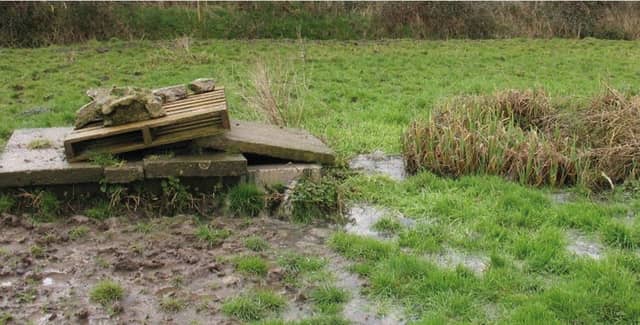

Faulty Donegal septic tanks pose risk to rivers and drinking water, EPA says
Two-thirds of all septic tanks inspected in Donegal last year were found to be faulty, putting rivers and drinking water wells at risk of pollution from human waste.
Donegal County Council inspected 126 septic tanks last year, with 84 (67%) failing to meet basic standards of construction or maintenance.
The Environmental Protection Agency (EPA), which oversees the inspection regime carried out by 30 local authorities across the State and has published its annual report on domestic wastewater treatment system inspections, said inspections are targeted at areas of greatest environmental and public health risk.
Donegal County Council missed its target of conducting 137 septic tank inspections last year, and that shortfall must now be made up alongside its usual inspection target for this year.
Donegal has the second-highest number of inspections required of any of the 30 local authorities in the State, with only Wexford - which also missed its target of 147 surveys - facing a higher requirement.
Since the inspection regime was introduced in 2013, 483 septic tanks have failed inspection in Donegal. However, 372 (77%) of those had been repaired by the end of last year.
Government grants to repair faulty septic tanks were revised in 2024, increasing from €5,000 to €12,000. Nationally, 460 grants worth €4.77 million were awarded in 2025, up from 265 grants issued in 2024.
Read more: Two Donegal locations lose Blue Flag status
Faulty septic tanks pose a risk to human health through contamination of drinking water wells with harmful bacteria and viruses, and can also pollute rivers and streams through the release of nutrients such as nitrogen and phosphorus, the EPA said.
When septic tanks fail inspection, local authorities issue advisory notices to householders outlining what is required to fix the problem.
Commenting on the report, Pat Byrne, Director of the EPA’s Office of Radiation Protection and Environmental Monitoring, said: “The gradual increase in the number of faulty septic tanks being fixed by homeowners since 2013 in response to failed inspections is welcomed, as these are in the areas of greatest risk to rivers and drinking water wells. This has been aided by increased Government grant aid and greater enforcement activities by proactive local authorities.
“However, more consistent and sustained enforcement is needed across all local authorities to ensure that faulty septic tanks are fixed as soon as possible and that public health and the environment is protected.”
Nine local authorities, including Donegal, had fewer than 80% of issued advisory notices resolved by the end of 2025, meaning too many faulty septic tank systems continued to pose a risk, the EPA said. It added that local authorities are required to ensure septic tanks that fail inspection are fixed by homeowners within an appropriate timeframe.
The EPA will publish a revised national inspection plan for 2027-31 later this year.