

‘Genetic testing must be made available’ - Donegal Action Cancer Care

Calls for Donegal people to receive Patisiran Amyloidosis treatment
The eircode-denial of the gene-silencing drug, Patisiran, to Irish citizens with an Amyloidosis diagnosis, is being forcefully challenged by Donegal health activist, Betty Holmes.
Patisiran, a proven treatment for Amyloidosis, the build-up of an abnormal protein in the body’s tissues and organs, which can lead to organ failure, is available in the North.
However, patisiran is currently being withheld from the estimated 35 Amyloidosis patients in Donegal and the rest of Ireland.
Speaking to Donegal Live, Betty Holmes of Donegal Action for Cancer Care (DACC) warned, Familial Amyloidosis, would become a “medical and socio-economic problem” in Donegal in the future.
Ms Holmes said DACC had this week highlighted the looming Amyloidosis crisis to Health Minister Simon Harris and HSE CEO Paul Reid, as well as all of Donegal’s Oireachtas members.
She added: “DACC has become aware of Amyloidosis from a person with a diagnosis. It is a terrible disease, which gives me serious concern for the future.
“It is recorded fact Amyloidosis, a serious and fatal disease, is having a major impact on Donegal people and must be investigated. Genetic testing must be made available and treatments funded as a matter of extreme importance.
“While there are different types of Amyloidosis, the hATTR strain is thought to originate from a 15 mile stretch of coastline in Donegal. I have only recently become aware that a young friend of ours died from Amyloidosis.
“It is vitally important action is now taken to raise awareness of this serious medical condition. It is important doctors consider Amyloidosis when investigating or diagnosing conditions. We also need access to genetic testing as a matter of urgency. Most importantly, people with an Amyloidosis diagnosis must have access to the new gene-silencing treatment, Patisiran,” said Betty Holmes.
DACC believed Patisiran must be made available in the State, paid for at Government level.
DACC is joining forces with Rosaline Callaghan, who has lost three family members in the Burt area to Amyloidosis.
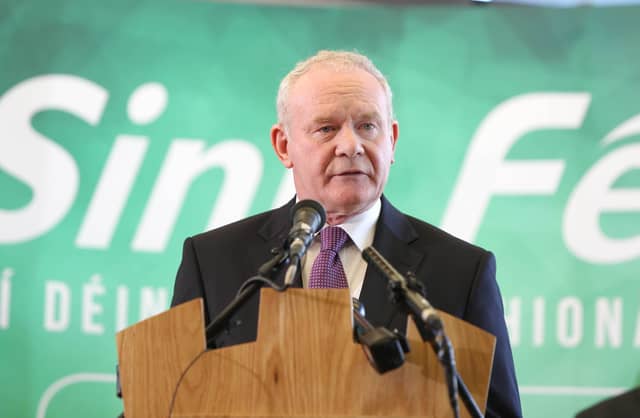
Betty Holmes said: “Members of Rosaline Callaghan’s family were some of the first to be diagnosed with the hATTR Ala 60 strain of the condition, which is hereditary and until now was terminal. It came to public attention more recently following the death of former Deputy First Minister, Sinn Féin’s Martin McGuinness.
“However, thanks to the research and dedication of staff at London’s Royal Free Hospital, within in Britain’s National Amyloidosis Centre is based, a new gene-silencing drug called Patisiran, has been made available and Rosaline Callaghan will become ‘the first person in her family diagnosed with hATTR, not to die from this disease’ Patisiran stops the progression of hATTR Amyloidosis. It was approved for use in Northern Ireland very recently.”
Patisiran has saved the career of hand surgeon, Carlos Heras-Palou, who faced losing the ability to perform operations.
Dr Heras-Palou, an orthopaedic surgeon at Royal Derby Hospital, was diagnosed with transthyretin-mediated amyloidosis (hATTR amyloidosis). He subsequently underwent 18 months of treatment with Patisiran, which has reversed the nerve damage that threatened to end his 20-year career.
Describing the treatment, Dr Heras-Palou said: “The treatment has saved my career, and my life. I’ve been given hope and I’m seeing life in a very different way.”
Patisiran has now been licensed by European and UK regulators.