

Giant spiders are weaving a web of trouble in Donegal homes

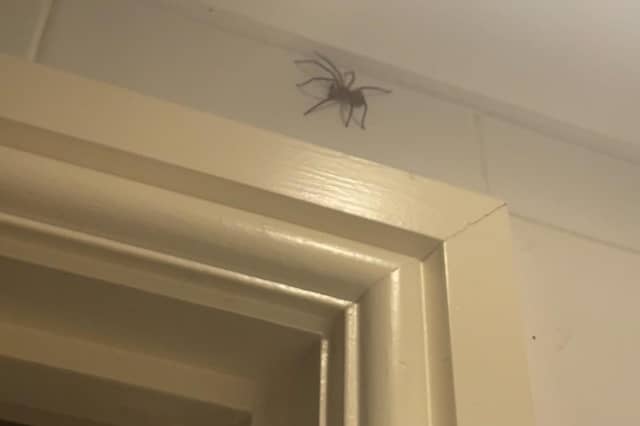

Giant house spiders can reach a leg span of 75mm as autumn mating season brings more sightings indoors
Donegal people have been sharing images on social media of giant spiders discovered in their homes in recent days, as the annual autumn invasion of eight-legged visitors gets underway.
With some of the creatures attracting attention for their alarming size, pest control experts are offering advice on how households can reduce the likelihood of spiders settling indoors.
As Ireland moves further into autumn and temperatures begin to drop, Rentokil shares advice to Donegal households wanting to take preventative steps to reduce the likelihood of spiders making their way into your home.
During September and October, male spiders typically become highly active in their search for a mate, while cooler outside temperatures can also encourage spiders to seek out the warmth, shelter and food available inside our homes.
Spiders can enter properties through tiny gaps around doors, windows, walls and pipework. Items brought in from gardens, sheds and other outdoor areas, such as firewood for log burners, also provide a means for them to enter homes.
Colm Moore, Regional Technical Manager for Rentokil Ireland, said: “As temperatures outside fall, our homes can become increasingly attractive to spiders, providing warmth, shelter and a reliable source of food. September and October are also a particularly active time for male spiders as they search for a mate.”
“While many people may be uneasy about finding spiders in their homes, they can actually be beneficial as they feed on flies and other insects, providing a natural form of pest control. However, if households want to reduce the number of spiders they encounter indoors, one of the most effective things they can do is limit the insects that spiders feed on.”
Several hundred species of arachnids are found in Ireland, but we can expect to see fewer than a dozen of these in our homes.
In terms of size, the Common House Spider typically has an overall leg span of 25-35mm, while the Giant House Spider can reach a full leg span of up to 75mm once it reaches maturity. Both of these species are reluctant to bite, preferring to escape to undisturbed corners.
While most spiders commonly encountered in Irish homes are harmless and act as a natural form of pest control, some species, such as the false widow spider, can bite if squeezed or accidentally provoked.
Rentokil's top five tips for keeping spiders at bay this autumn:
Vacuum regularly – Pay particular attention to less-disturbed areas such as beneath worktops, behind cupboards, under sofas and around large pieces of furniture.
Remove noticeable webs – Regularly clear away webs, particularly from ceiling corners, behind furniture, around picture frames and mirrors, and other quiet areas where spiders may settle.
Seal gaps and cracks – Where possible, seal gaps around walls, pipework, doors and windows to discourage spiders from entering.
Remove outdoor hiding places – Firewood piles, garden bags and compost heaps can provide shelter for spiders and other insects.
Reduce access to food – Reduce the insects and other small pests spiders feed on. Keep surfaces clean, store food securely, address damp areas and remove dead insects where possible.