


1.
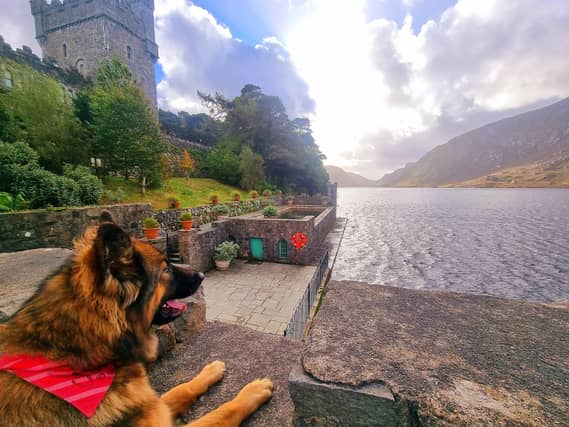
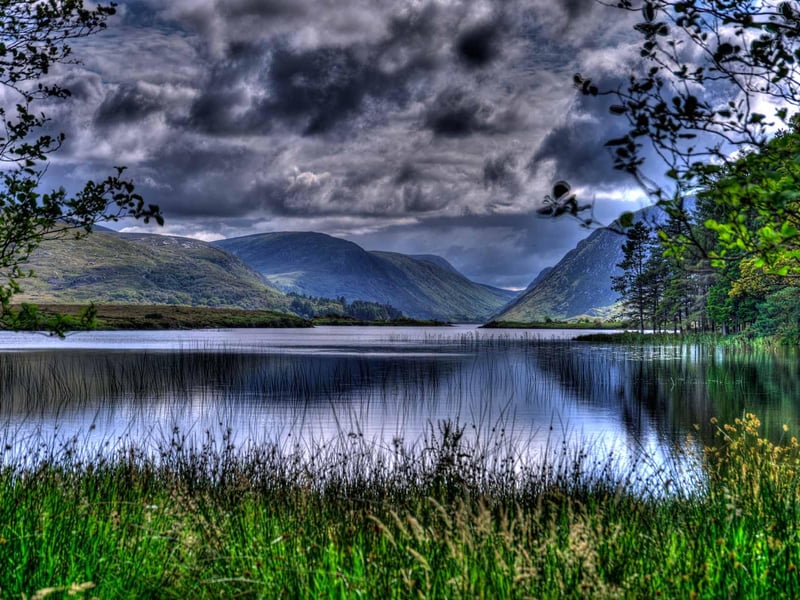
Glenveagh National Park: Glenveagh National Park is among Ireland’s six national parks and it is the second largest spanning 66 square miles or 170 km². Glenveagh castle grounds are surrounded by Lough Veagh and the Derryveagh mountains. The park offers a biodiverse landscape with various wildlife hosting red deer, otters, stoats, pine martens, golden eagles, peregrine falcons, reptiles, amphibians and terrestrial mammals just to name a few! Interestingly Glenveagh was the first place in Ireland where golden eagles were reintroduced after one hundred years. In 2001, the Golden Eagle Trust transported a chick from Scotland and in 2012, 63 eagles were released in the county. Glenveagh National Park was established in 1984 which was the third of the six national parks. The other five national parks include Killarney National Park, Kerry; Connemara National Park, Galway; The Burren National Park, Clare; Wicklow Mountains National Park - which is the largest at 79 square miles or 205 km2; and lastly Wild Nephin National Park, Mayo. Soon, there will be another national park, Boyne Valley in Meath which will bring the total to seven once opened.
2.
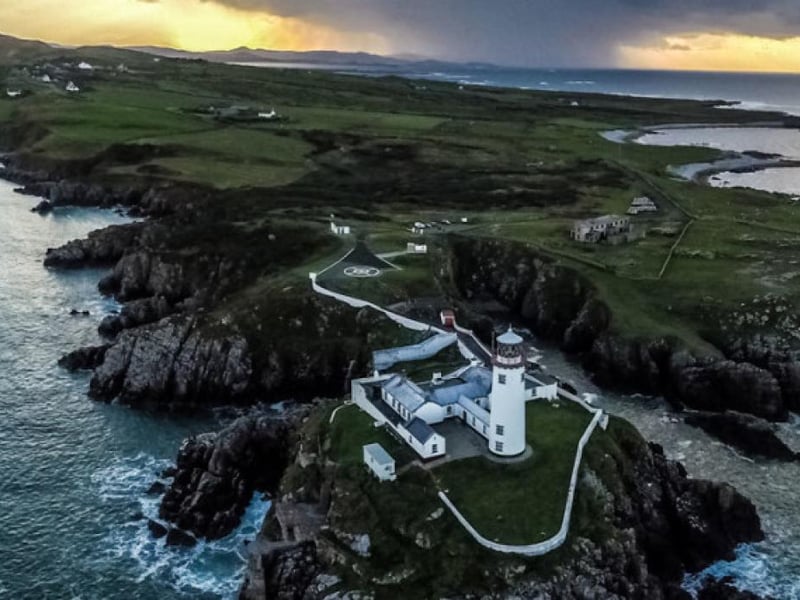
Fanad Head Lighthouse: Considered one of three signature discovery points on the Wild Atlantic Way, Fanad Head lighthouse is a must-see attraction. Previously voted as one of the most beautiful in the world, it is an 1817 working lighthouse at the mouth of Lough Swilly, surrounded by a beautiful landscape of beaches. Fanad lighthouse was opened to the public as a visitor attraction in 2016, it is available to visit and to book a room. You can even take a tour and climb to the top of the lighthouse for surrounding views of the rugged landscape and Atlantic Ocean. Approximately fifty thousand people visit the remote lighthouse annually, from all over the world. National Geographic even gave Donegal a special mention describing Fanad Head as ‘the edge-of-the-world lighthouse.’
3.
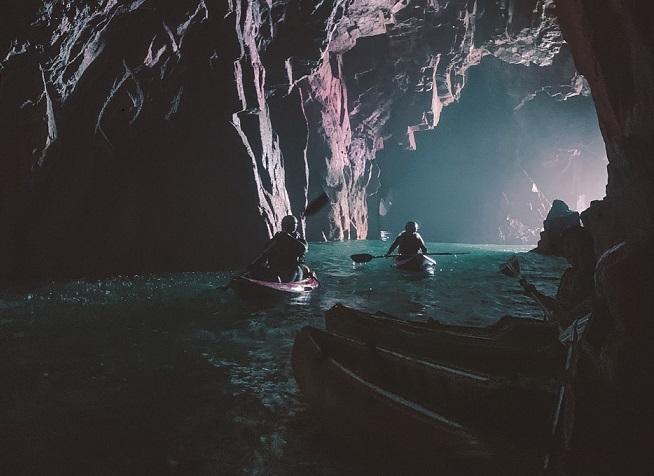
Owey Island: Owey Island located off the west coast of Donegal is home to a lake under a lake. This is incredibly unique it is one of the only land features of its kind in the world. It is a typical lake, easily reached by a short stroll along the inland trail that leads north from the village on the island. However, the underground lake lies 50 meters below the surface and can be reached by descending into a small sinkhole concealed at the northern end of the upper lake. The sinkhole requires some manoeuvring and crawling, and the final third of the descent is extremely muddy. Beware that the descent is both dark and risky, but this leads to the northernmost point of the slender subterranean lake, which is a deep silt beach. The bioluminescent caves which can be reached by descending through the sinkhole
4.
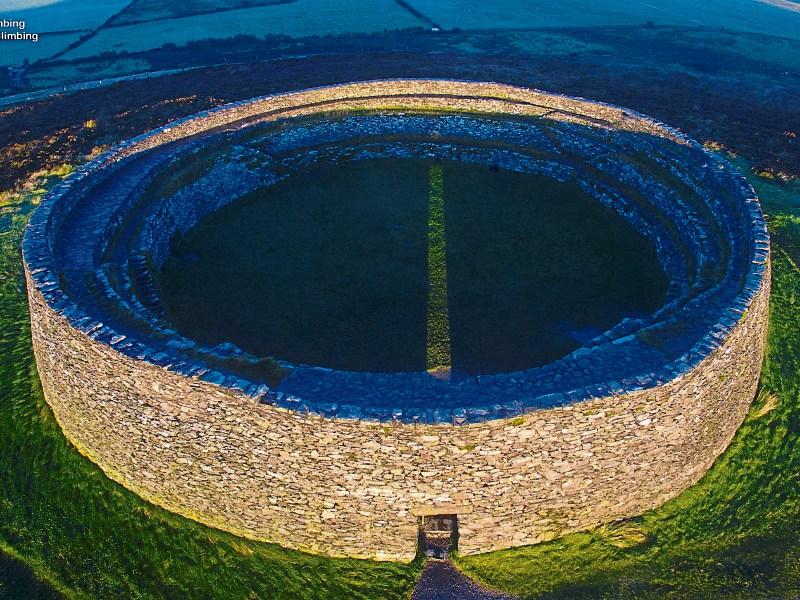
Grianán of Aileach: Grianán of Aileach is a stone hillfort located near Burt, perched 801 feet or 250 metres above sea level on the Greenan hilltop in Inishowen. Grianán of Aileach is an Iron Age stone ringfort that was once home to Ireland’s high kings. Therefore, the ringfort holds strong historical significance having been erected around 1700 BC. It has a diameter of 23 meters or 76 feet and walls that stand around 5 meters or 16 feet. Grianán of Aileach is thought to be linked to the Tuatha de Danann who invaded Ireland before the arrival of the Celts. The fort is perched on a hilltop, offering 360-degree panorama views of three counties, Donegal, Derry and Tyrone. The Lough Swilly and Lough Foyle are also visible from the ringfort.