

Spina Bifida Hydrocephalus Ireland appeals to government to support with disabilities in Donegal
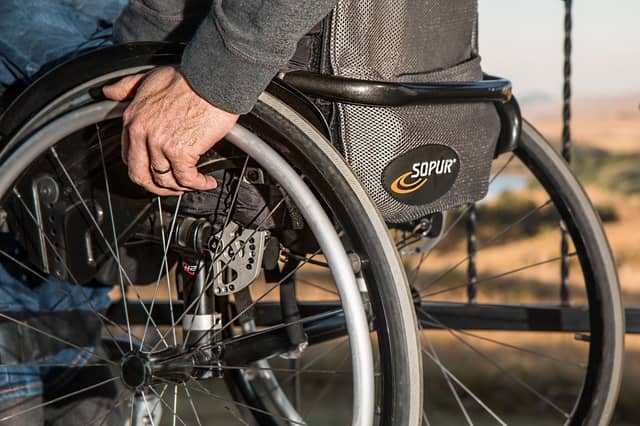

The organisation is calling for government support for people with disabilities during Covid-19
An organisation providing support to people living with spina bifida and/or hydrocephalus is appealing to the government to increase support for people living with disabilities.
The plea follows research conducted over the court of lockdown which has revealed that individuals living with spina bifida and/or hydrocephalus (SB/H) have experienced increased mental health difficulties during Covid-19.
Spina Bifida Hydrocephalus Ireland (SBHI) currently provides support to 21 people living with the condition in Donegal alone. Additionally, it supports some of the family members or carers related to these 21 people.
The organisation works with more than 2,000 people who live with, or care for someone living with spina bifida and/or hydrocephalus in Ireland.
Research from the SBHI Adult Advocacy Group focused on gaining a better understanding of how the pandemic and Governmental restrictions have affected, and continue to affect individuals living with SB/H.
A spokesperson for SBHI said: “Covid-19 has introduced major difficulties and disruptions for society in many ways. However, for individuals living with SB/H, the impact of Covid-19 has exacerbated the existing psychological and physical difficulties faced by those living with disabilities.
A total of 46% of people surveyed expressed a negative change in their mental health due to Covid-19. Additionally, the results of the survey identified some of the key areas where increased support is vital for people living with SB/H.
Key areas requiring support:
Access to medical services
- Effective management of SB/H requires a multi-disciplinary approach encompassing urology, neurology, orthopaedic, physiotherapy, occupational therapy, ophthalmology, and neuropsychology specialist services.
- A lack of these services is detrimental to the health and well-being of individuals living with SB/H. During the pandemic, 34% of our respondents reported an inability to access all medical services. As a result, 25% of respondents indicated a negative impact on their physical health.
- Conversely, 57% of respondents expressed contentment in relation to accessing prescriptions as pharmacies began delivering medications during lockdown and GP’s extended the duration of repeat prescriptions from six months to nine months. This approach has been welcomed by those living with SB/H and is hoped to continue post-Covid-1
Access to Personal Assistance Services
- A significant number of those living with SB/H rely on Personal Assistance Services (PAS) for personal care, assistance at home, and support with outings due to mobility issues.
- One-third of the respondents experienced disruptions to these services which heavily impacted their daily lives.
Day to day provisions
- The majority of those living with SB/H were advised to cocoon during lockdown. This had a huge impact on their ability to meet their own needs and those affected have been left to rely on alternative arrangements.
- 34% of respondents are experiencing significant challenges and delays in obtaining day-to-day provisions.
Employment
- As a result of cocooning, individuals living with SB/H in employment have experienced significant disruptions and uncertainty due to the ongoing restrictions. 96% of respondents who are in employment reported having significant challenges in maintaining employment during the pandemic.
- This had a huge impact on the financial well-being of those living with SB/H with 20% of respondents reporting financial difficulties.
Mental health
- A lack of medical services and PAS hours, challenges in acquiring day-to-day provisions, and difficulties in employment resulted in 46% of respondents experiencing significant mental health difficulties.
- We are calling on the Government to ringfence additional funding to meet the daily needs of those living with SB/H, both during and post-Covid-19. This funding is vital to support the mental health of our vulnerable members of society.
Marcus Ward, Chairperson of the SBHI Adult Advocacy Group, believes that this survey has produced valuable data.
“From looking at the data, it’s very clear to see that the lockdown has, for many different reasons, had a negative impact on people living with spina bifida and/or hydrocephalus in Ireland,” said Mr Ward.
“I am concerned that this could have long-term consequences if not dealt with adequately.
“The Government and other relevant organisations must ensure that people living with SB/H and other disabilities have the supports and resources they rely on during this difficult time.
CEO of SBHI Tom Scott is calling for a strong response from the government.
“When working to ensure that all members of society are cared for during this pandemic, the Government needs to ensure that the most vulnerable in society are prioritised in terms of meeting their needs arising from spina bifida and/or hydrocephalus,” he said.
“Provision must be made for all necessary supports to be implemented in an expedient way so that the already severe legacy of Covid-19 does not further isolate those living with disabilities.”
More information on SBHI can be found at www.equalitynow.ie