

Staff trapping rats amid rodent surge at Glenveagh National Park

The service provider will be expected to conduct routine inspections twice weekly, provide monthly reports directly to the regional manager, and maintain an emergency response time of within 24 hours for active infestations
The Department of Housing, Local Government and Heritage is ramping up pest-control activity at Glenveagh National Park after staff were forced to carry out extensive trapping campaigns in response to rat infestations across the historic estate.
A tender published by the department on Monday noted that pest controllers at Glenveagh had previously focused on catering facilities to meet mandatory food hygiene standards.
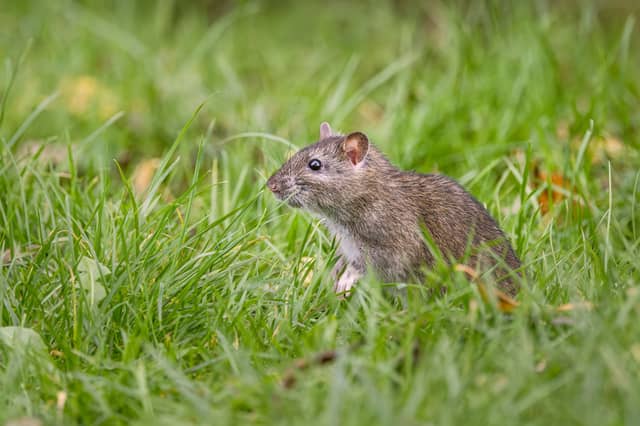
However, a far wider operation is now required after “significant rodent activity, particularly involving rats” struck the national park’s outdoor attractions and heritage assets.
These include the lower nursery area, garden outbuildings, and the historic orangery, according to the public procurement documents.
They reveal that rat infestations had become so severe that staff had to intervene by conducting extensive trapping operations using non-toxic methods in order to protect other wildlife.
The new contractor will be tasked with servicing the visitor centre restaurant, the tea room at Glenveagh Castle, administration headquarters, yard compounds, and the Bridge House education centre.
Given the sensitive ecological status of the estate, all pest control measures must strictly minimise the risk of secondary poisoning or the accidental trapping of non-target wildlife and protected bird species.
All traps must also be certified child-safe and positioned away from the public view of visitors, according to the tender.
The service provider will be expected to conduct routine inspections twice weekly, provide monthly reports directly to the regional manager, and maintain an emergency response time of within 24 hours for active infestations.
Prospective bidders must also attend a mandatory on-site inspection between October 27 and October 29 before submitting bids, with tender documents warning that those failing to visit the grounds will be disqualified automatically.
The estimated value of the contract is not revealed in the documents, but the duration of the deal will be for an initial three-year period, with options to extend the arrangement for two further 12-month periods.
Glenveagh National Park encompasses more than 16,000 hectares of mountains, lakes, and native woodlands in the Derryveagh Mountains, and is centred around the 19th-century castellated mansion built by John George Adair before being gifted to the State as a public park in the 1980s.