


5.
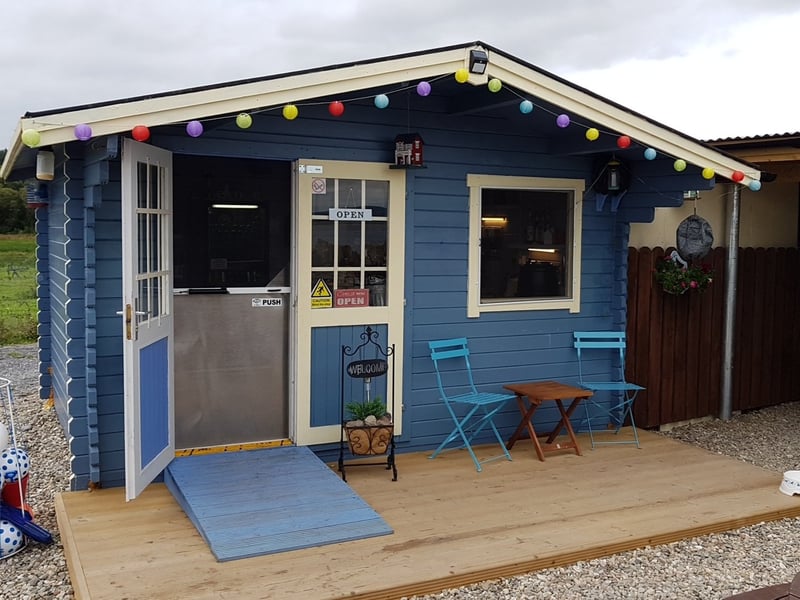
Salthill CabinSalthill Cabin started as a family-run coffee shop, owned by Aisling and Andrew Chapman and situated in Mountcharles near the pier. Now, they have an animal pet area that visitors are free to explore. In the petting zoo, there are, guinea pigs, rabbits, emus, chickens, peacocks pigs, ducks, llamas, pigmy goats, tortoises and lots more! The idea is to indulge in the speciality barista-made coffee while enjoying some of the freshly baked goods and snacks that are on offer, soak in the views of Donegal Bay whilst exploring the petting zoo and spending some time with the furry friends. Salthill Cabin, a coffee house with a petting zoo that offers both an animal petting experience and an animal feeding experience At Salthill cabin there is both an outdoor area and an indoor room called the animal experience area for creatures which need to be kept inside such as reptiles. Salthill Cabin is a unique attraction in south Donegal creating a mini zoo for people to enjoy whilst they have their coffee with the added benefit of stunning views to soak in.
6.
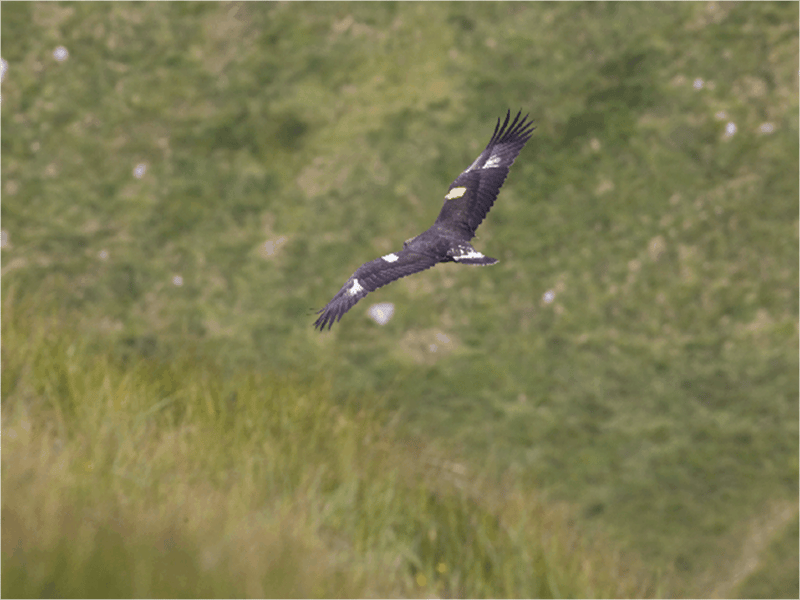
Glenveagh National ParkGlenveagh National Park is among Ireland’s six national parks and it is the second largest spanning 66 square miles or 170 km2. Glenveagh castle grounds are surrounded by Lough Veagh and the Derryveagh mountains. The park offers a biodiverse landscape with various wildlife. At Glenveagh, red deer, otters, stoats, pine martens, golden eagles and peregrine falcons can be spotted just to name a few! Glenveagh reintroduced golden eagles following extinction in 1912 Interestingly Glenveagh was the first place in Ireland where golden eagles were reintroduced after one hundred years. In 2001 the Golden Eagle Trust transported a chick from Scotland and in 2012 63 eagles were released in the county. If you want to experience diverse wildlife and a beautiful landscape Glenveagh is the place to go. Glenveagh hosts, reptiles, amphibians, terrestrial mammals and a varied range of bird species. Glenveagh National Park was established in 1984 which was the third of the six national parks. The other five national parks include Killarney National Park, Kerry; Connemara National Park, Galway; The Burren National Park, Clare; Wicklow Mountains National Park - which is the largest at 79 square miles or 205 km2 ; and lastly Wild Nephin National Park, Mayo respectively. Soon, there will be another national park, Boyne Valley in Meath which will bring the total to seven once opened.
7.
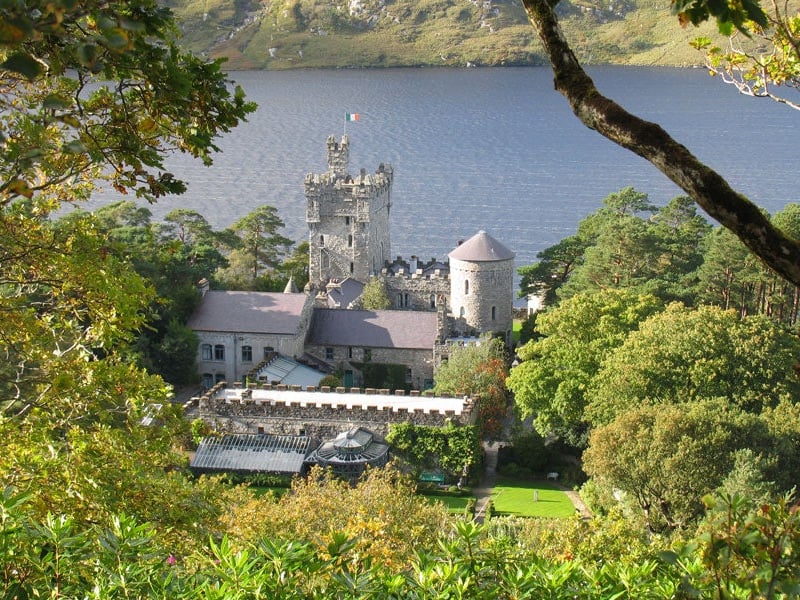
Glenveagh National ParkGlenveagh National Park is among Ireland’s six national parks and it is the second largest spanning 66 square miles or 170 km2. Glenveagh castle grounds are surrounded by Lough Veagh and the Derryveagh mountains. The park offers a biodiverse landscape with various wildlife. At Glenveagh, red deer, otters, stoats, pine martens, golden eagles and peregrine falcons can be spotted just to name a few! Glenveagh reintroduced golden eagles following extinction in 1912 Interestingly Glenveagh was the first place in Ireland where golden eagles were reintroduced after one hundred years. In 2001 the Golden Eagle Trust transported a chick from Scotland and in 2012 63 eagles were released in the county. If you want to experience diverse wildlife and a beautiful landscape Glenveagh is the place to go. Glenveagh hosts, reptiles, amphibians, terrestrial mammals and a varied range of bird species. Glenveagh National Park was established in 1984 which was the third of the six national parks. The other five national parks include Killarney National Park, Kerry; Connemara National Park, Galway; The Burren National Park, Clare; Wicklow Mountains National Park - which is the largest at 79 square miles or 205 km2 ; and lastly Wild Nephin National Park, Mayo respectively. Soon, there will be another national park, Boyne Valley in Meath which will bring the total to seven once opened.
8.
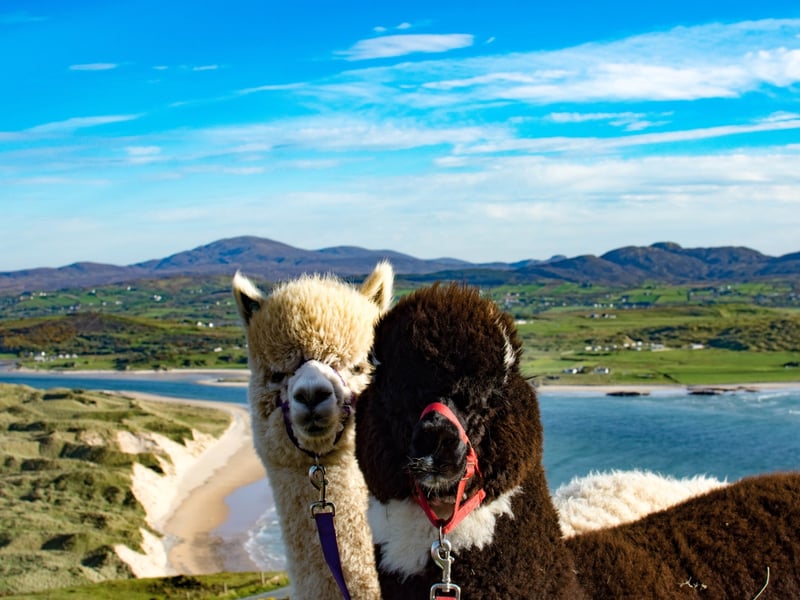
Wild Alpaca WayThe Wild Alpaca Way is among a few places to see alpacas in Donegal. However, The Wild Alpaca Way boasts both landscape and the alpaca, some would say it’s the full al-package. It is the premier alpaca location and it is a family-run business owned by John McGonagle and located near the five-finger strand at Malin Head. They have 40 alpacas, who are curious, inquisitive and friendly creatures. Some of their names include Badger, Chestnut, Mojo, Salt, Pepper, Adolfo and Ted. There are currently three scheduled alpaca guided walks daily on offer. Visitors get to take an alpaca for a walk along Ireland’s most northerly point. Two of the Alpacas ready to escort their next visitor around the scenic Malin Head, Photo: Wild Alpaca Way Along the walk, there are views from Malin Head to Glashedy Rock to the Isle of Doagh and beyond. The Wild Alpaca Way is very fitting as it is situated within the breathtaking surroundings of the famous coastal route, the Wild Atlantic Way. Not only that, you can also book an alpaca to be brought to you for an event such as weddings or birthdays, there is also an option of an alpaca meet and greet for those who are unable to complete the trek. The Wild Alpaca Way caters to everyone who may want to experience some time with an alpaca and it is open all year round.