

Donegal cyclist taking on World Record Cycle attempt this weekend
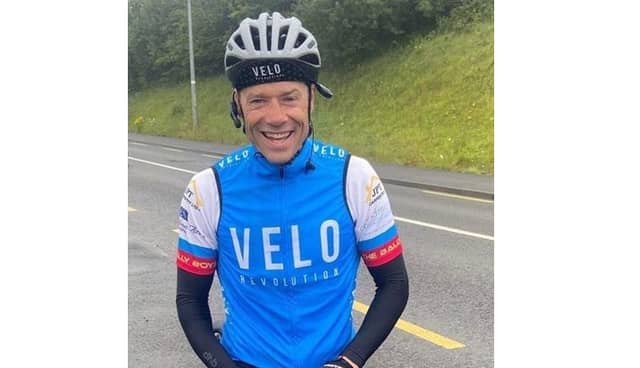

Karol McNern from Ballyshannon will cycle from Malin to Mizen and back to Malin unsupported, starting on Friday morning
A Donegal cyclist is set to embark on a mammoth world record breaking cycle attempt unsupported from Malin to Mizen, a 1,225 km route from one end of Ireland to the other.
Karol McNern from Ballyshannon, who is a former lifeboat crew member and helm at Bundoran RNLI, is cycling unsupported from Malin to Mizen to Malin. The gruelling non-stop ride is set to be a test of endurance but also a fundraising effort from Karol. Bundoran RNLI is celebrating its 30th anniversary this year while the charity is marking its 200th anniversary.
Karol’s ambitious ride aims to break both the World UltraCycling Association (WUCA) record and a Guinness World Record, drawing attention to the lifesaving work of Bundoran RNLI. The funds raised will go directly to supporting the work of the volunteer crew in saving lives at sea.
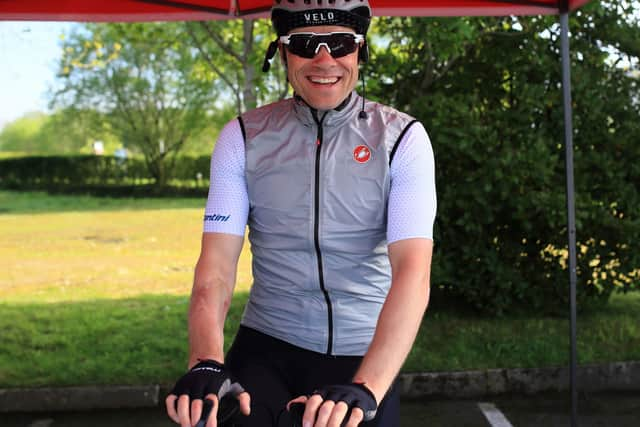
Karol McNern
The ride will commence at Malin Head, the northernmost point of Ireland, on Friday morning and continue onto Mizen Head, the southernmost point and then return back up the country to Malin Head. Karol will face various challenges including unpredictable weather conditions, rugged terrain, and the sheer physical and mental demands of cycling non-stop across such a vast distance. He will continue this journey unsupported making it an even tougher challenge.
Supporters can make a donation and follow Karol’s progress through live updates on social media and contribute to his fundraising campaign via
Daimon Fergus, Bundoran RNLI Lifeboat Operations Manager said: 'We are incredibly grateful to Karol for thinking of us in this way and we wish him the best of luck as he takes on this challenge. His journey is an inspiration to us all and highlights his dedication, resilience and a sense of community spirit.
“Donations from Karol’s cycle will go towards helping us maintain our lifeboat and associated equipment as well as supporting the training of our crew members, and the overall operational costs.”